 Live Science Plus





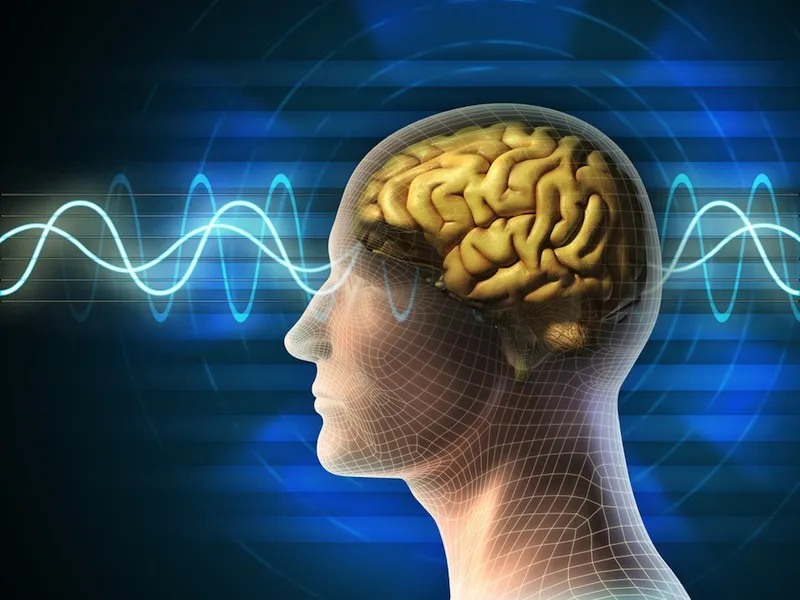
When a patient's brain falls completely silent, and electrical recordings devices show a flat line, reflecting a lack of brain activity, doctors consider the patient to have reached the deepest stage of a coma. However, new findings suggest there can be a coma stage even deeper than this flat line — and that brain activity can ramp up again from this state.
In the case of one patient in a drug-induced coma, and in subsequent experiments on cats, the researchers found that after deepening the coma by administering a higher dose of drugs, the silent brain started showing minimum but widespread neural activity across the brain, according to the study published today (Sept. 18) in the journal PLOS ONE.
The findings were based on measures of the brain's electrical activity, detected by electroencephalography (EEG), which shows various waveforms. In comatose patients, depending on the stage of their coma, the waveforms are altered. As the coma deepens, the EEG device will eventually show a flat line instead of a wave – this stage is considered to be the turning point between a living brain and a deceased brain.
Article continues below"Flat line was the deepest known form of coma," said study researcher Florin Amzica, neurophysiologist at Université de Montréal.
The new study shows "there's a deeper form of coma that goes beyond the flat line, and during this state of very deep coma, cortical activity revives," Amzica said. He noted the findings apply to patients in a medically induced coma with healthy brains that are receiving blood and oxygen. The conclusions may not extend to cases of comatose patients who have suffered major brain damage, he said.
The newly discovered coma state is characterized by electrical waves called Nu-complexes that are unlike other waveforms generated by the brain during known coma states, sleep or wakefulness. These waves originate in a deep brain region called the hippocampus, and then spread across the cortex (the brain’s outermost layer), according to the study.
The new findings came from a serendipitous observation in a patient who was in a deep coma, and receiving powerful epilepsy medication required to control his convulsions. EEG recordings of his brain's electrical activity showed peculiar and unexplainable waveforms, the researchers said. [10 Things You Didn't Know About the Brain]
Using anesthetic drugs, the researchers recreated the patient's state in cats. When the cats reached the flat-line coma stage, the researchers increased the anesthetic's dose, and observed brain activity re-emerging in cats.
It is still unclear how the activity in neurons in the hippocampus can spread throughout the brain, the researcher said. One possible scenario is that silencing the brain even more may ease the control over neurons in the hippocampus that other brain areas normally maintain.
"The more the brain is unconscious, the less this activity is disturbed," Amzica said. The activity in the hippocampus then has more potential to become strong enough to spread into other areas, he said.
The findings may have therapeutic potential, the researchers said. Sometimes a coma is induced in patients who are at high risk of brain injury from incidents such as physical trauma, drug overdose or life-threatening seizures. By reducing the activity in the brain and slowing its metabolism, an induced coma can help protect the neural tissue.
However, it's plausible that long periods of complete inactivity could result in loss of connections between neurons. A coma state such as the one discovered in the new experiments may better protect neural tissue, as it maintains some minimum activity throughout the brain, the researchers said.
Email Bahar Gholipour. Follow LiveScience @livescience, Facebook & Google+. Original article on LiveScience.

