













High Risk of Blood Clots Even 12 Weeks After Pregnancy

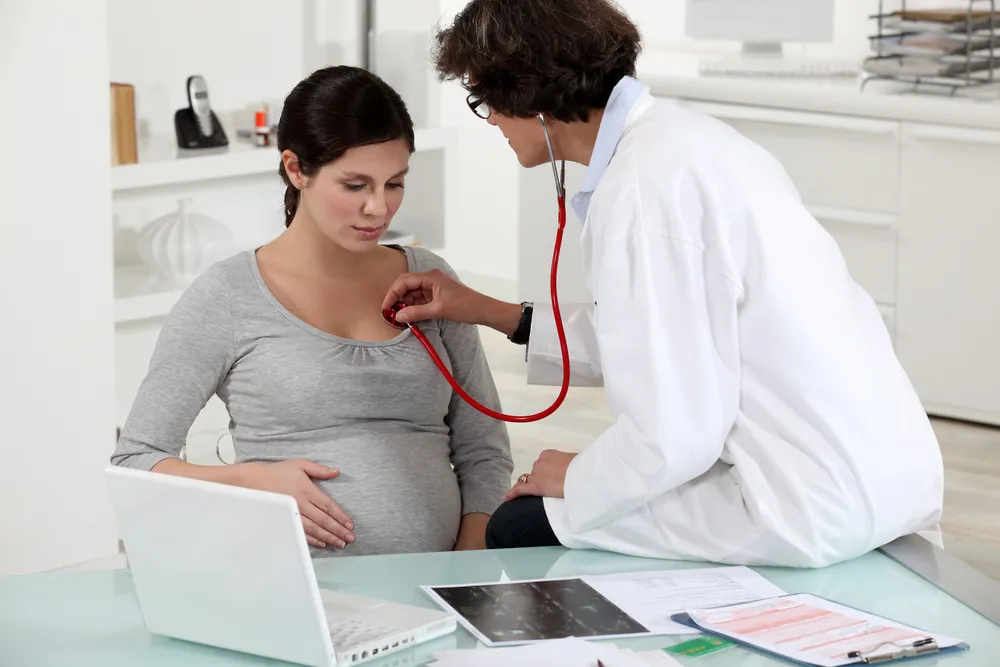
Pregnant women have an increased risk of developing blood clots, and now a new study shows this risk remains elevated for at least 12 weeks after delivering a baby — twice as long as previously thought.
The study included more than 1.6 million women who gave birth at California hospitals between 2005 and 2010. Of these women, about 1,000 women had a blood clot, including some who suffered a stroke, heart attack or deep vein thrombosis from their clot.
The researchers found that women's risk of blood clot peaked around the time of delivery. The risk remained about 11 times higher than normal during the first six weeks after delivery, and 2.2 times higher than normal seven to 12 weeks after delivery. The risk decreased to almost normal during weeks 13 to 18, according to the study. [Related: 9 Conditions That Pregnancy May Bring]
"Even though these complications are very rare, they can be catastrophic," said study researcher Dr. Hooman Kamel, an assistant professor of neurology at Weill Cornell Medical College in New York City. "It's important for everyone to know the symptoms."
If people experience symptoms such as chest pain, difficulty breathing, swelling or pain in one leg or sudden severe headache, they should seek medical attention, Kamel said. "These should be taken seriously at any time, but specially during pregnancy and postpartum," he said.
The risk of blood clots rises during pregnancy because of an increase in the hormone estrogen and changes in blood-clotting factors. After delivering the baby, hormone levels eventually go back to normal over the following months.
Other conditions can put people at higher risks for blood clots, too. For example, being obese, being treated for cancer, and having heart or lung disease can increase a person's risk for blood clots.
Get the world’s most fascinating discoveries delivered straight to your inbox.
The study was presented today (Feb. 13) at the American Stroke Association’s International Stroke Conference.
Email Bahar Gholipour. Follow us @LiveScience, Facebook & Google+. Original article on Live Science.
