Men Who Can't Play, Drink
Get the world’s most fascinating discoveries delivered straight to your inbox.
You are now subscribed
Your newsletter sign-up was successful
Want to add more newsletters?
Delivered Daily
Daily Newsletter
Sign up for the latest discoveries, groundbreaking research and fascinating breakthroughs that impact you and the wider world direct to your inbox.
Once a week
Life's Little Mysteries
Feed your curiosity with an exclusive mystery every week, solved with science and delivered direct to your inbox before it's seen anywhere else.
Once a week
How It Works
Sign up to our free science & technology newsletter for your weekly fix of fascinating articles, quick quizzes, amazing images, and more
Delivered daily
Space.com Newsletter
Breaking space news, the latest updates on rocket launches, skywatching events and more!
Once a month
Watch This Space
Sign up to our monthly entertainment newsletter to keep up with all our coverage of the latest sci-fi and space movies, tv shows, games and books.
Once a week
Night Sky This Week
Discover this week's must-see night sky events, moon phases, and stunning astrophotos. Sign up for our skywatching newsletter and explore the universe with us!
Join the club
Get full access to premium articles, exclusive features and a growing list of member rewards.
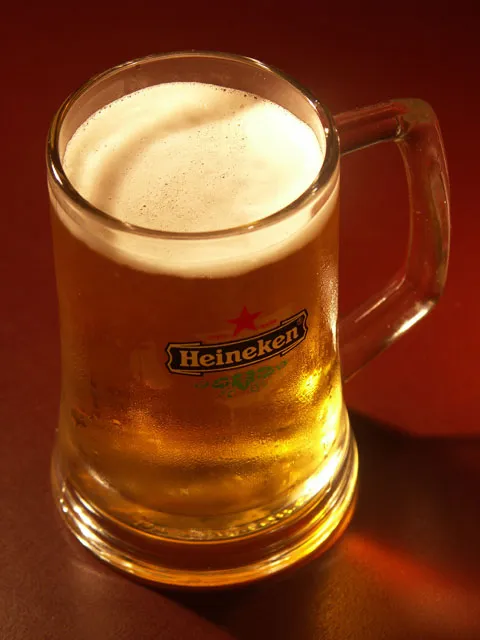
Here's a shocker: "Men who are not confident in their sporting abilities may try and make up for this by drinking excessively."
So says Richard de Visser, whose new study looked into the masculine behaviors of young men in London and how it all affects their health.
The University of Sussex researcher did in-depth interviews with 31 men age 18-21, concluding that they commonly use one type of typically masculine behavior to compensate for their inability to perform another.
With the World Cup soccer tournament starting Friday, and his nation's young men expected to down a few extra pints during the televised action from Germany, de Visser thinks understanding the findings could improve health education.
The message: Play ball!
The results "may be able to have an impact on the growing levels of anti-social behavior such as binge-drinking, violence and illicit drug-use," de Visser said Sunday. "Young men could be encouraged to develop a competence in a healthy typically male area—such as football—to resist social pressures to engage in unhealthy masculine behaviors."
The study, funded by the UK's Economic and Social Research Council, will be published later this year in Psychology and Health and the Journal of Health Psychology.
Get the world’s most fascinating discoveries delivered straight to your inbox.