
 Live Science Plus


New Fathers Gain Weight, Study Finds

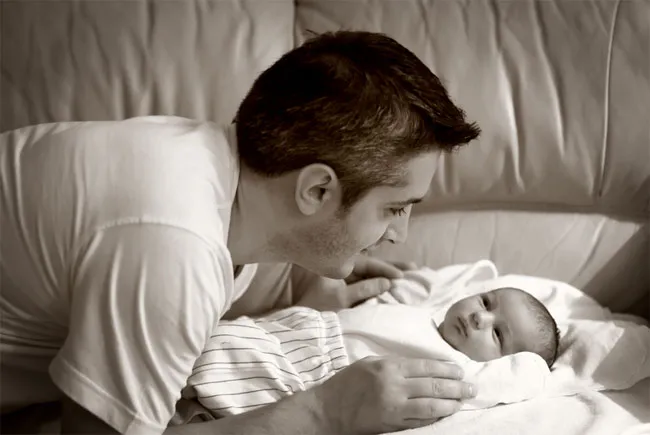
Men may gain a few pounds after they become fathers, while their childless counterparts actually lose weight in early adulthood, according to a new study.
The study researchers analyzed information from more than 10,000 U.S. men who were followed from their teen years until their mid-30s.

Upon entering fatherhood, men living with their children saw a 2.6 percent increase in their body mass index (BMI), on average. For a 6-foot-tall (1.8 meters) man, this would be the equivalent of about 4.4 lbs., (2 kilograms) the researchers said.
Fathers who did not live with their children saw a 2 percent increase in their BMI after entering fatherhood, or about 3.3 lbs. (1.5 kg) for a 6-foot-tall man. [6 Ways Dads Win at Parenting]
In contrast, men who did not become fathers during the study period actually lost weight in early adulthood; a 6-foot-tall man in this group lost about 1.4 pounds (0.6 kg), on average, from age 23 until the end of the study.
Being married is already linked to an increases in weight, but the weight gain seen in the new study was in addition to weight increases from marriage, the researchers said.
Some earlier studies suggest that men report taking steps to be healthier once they become fathers, such as improving their diets, increasing physical activity and drinking less alcohol. However, the new findings suggest these reported behavior changes may not provide a big health impact.
Instead, men may have less time to practice healthy habits after they become fathers.
"You have new responsibilities when you have your kids and may not have time to take care of yourself the way you once did in terms of exercise," study researcher Dr. Craig Garfield, an associate professor of pediatrics and of medical social sciences at Northwestern University Feinberg School of Medicine, said in a statement. "Your family becomes the priority."
In addition, households with kids may stock more cookies and other junk foods, and fathers may find themselves finishing their children's leftovers. "Anecdotal evidence does exist of fathers cleaning their children's dinner plates," the researchers wrote in the July 21 issue of the American Journal of Men's Health.
Although young fathers may not have their own doctors, they may take their kids to the doctor, and so pediatricians may be able to counsel new fathers about the importance of taking care of their own health, the researchers said.
"New dads are coming into the health care system as a pediatric chaperone," Garfield said. "This is an opportunity to talk about things that are important for dad's health and the child's health, and to offer dads nutritional counseling and mental health education."
The researchers note that, because the study followed men only until age 34, the new findings may or may not apply to older fathers. Future studies should also examine men's weight for a longer period after entry into fatherhood, the researchers said.
Follow Rachael Rettner @RachaelRettner. Follow Live Science @livescience, Facebook & Google+. Original article on Live Science.
