-
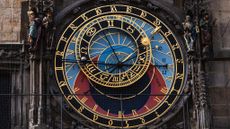 Daylight Saving Time 2026 is coming
When does daylight saving time begin in 2026? Here's a look at when the time changes this year, and why we change our clocks in the first place.
-
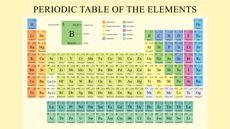 Periodic table of elements: How it works and who created it
The Periodic Table, first created by Dmitri Mendeleev, organizes all of the known elements in an informative array.
-
 How to turn off web notifications for Google Chrome and macOS
Here's a handy guide on how to turn off web notifications for Google Chrome and macOS.
-
 Quantum physicists discover 'negative time' in strange experiment
Physicists showed that photons can seem to exit a material before entering it, revealing observational evidence of negative time
-
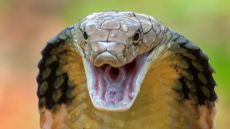 13 of the most venomous snakes on the planet
An encounter with one of these venomous snakes could cost you your life.
-
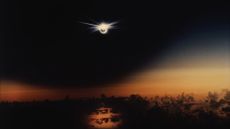 What is a solar eclipse?
Solar eclipses are some of nature's most dramatic celestial performances. Here's a look at the science behind the eclipse, and how to watch the next one on April 8, 2024.
-
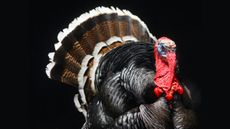 10 terrific turkey facts
Turkeys can fly, blush and are distant relatives of Tyrannosaurus rex. Read on to learn more about these Thanksgiving divas.
-
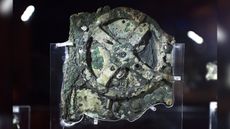 Antikythera Mechanism photos: See the world's first computer
 -
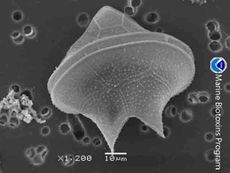 Pesticides Could Stunt Growth of Clams and Oysters
Negative effects from one of the most widely used herbicides in the United States could cascade through the aquatic food chain and even reach seafood eaters, new research finds.
-
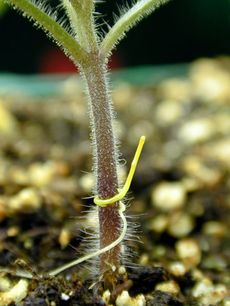 Cunning Weed Sniffs Out Victims
When the stringy dodder plant emerges, it bobs and sways to find the perfect host plant, then sucks the life out of it. See the video.
-
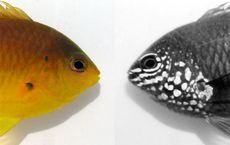 Fish Use UV Light to Distinguish Faces
Some fish can distinguish between different species using UV patterns on their faces.
-
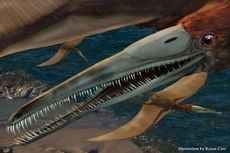 New Species of Ancient Flying Reptile Discovered
An ancient reptile with a 9-foot wingspan was soaring over the sea in what is now North Texas some 95 million years ago when – plop – it fell into the water and died.
-
 The Invisible Sex Dance of Psychedelic Spiders
VIDEO: Don't miss this amazing look at the secret mating rituals of spiders that can see in the dark.
-
 'Moody' Toddlers More Likely to Become Problem Gamblers, Study Suggests
Your tot's personality may foretell later problem behaviors.
-
 Texas Sect Earns Cult Status
A polygamous sect living on a Texas ranch raises the cult v. church question.
-
 Mystery of Britain's Largest Meteorite Solved
The meteorite weighs about the same as a baby elephant.
-
 Why does the moon turn red during a total lunar eclipse?
When a lunar eclipse occurs and our lone satellite inches into Earth's shadow, the moon's face becomes painted red. Here's why.
-
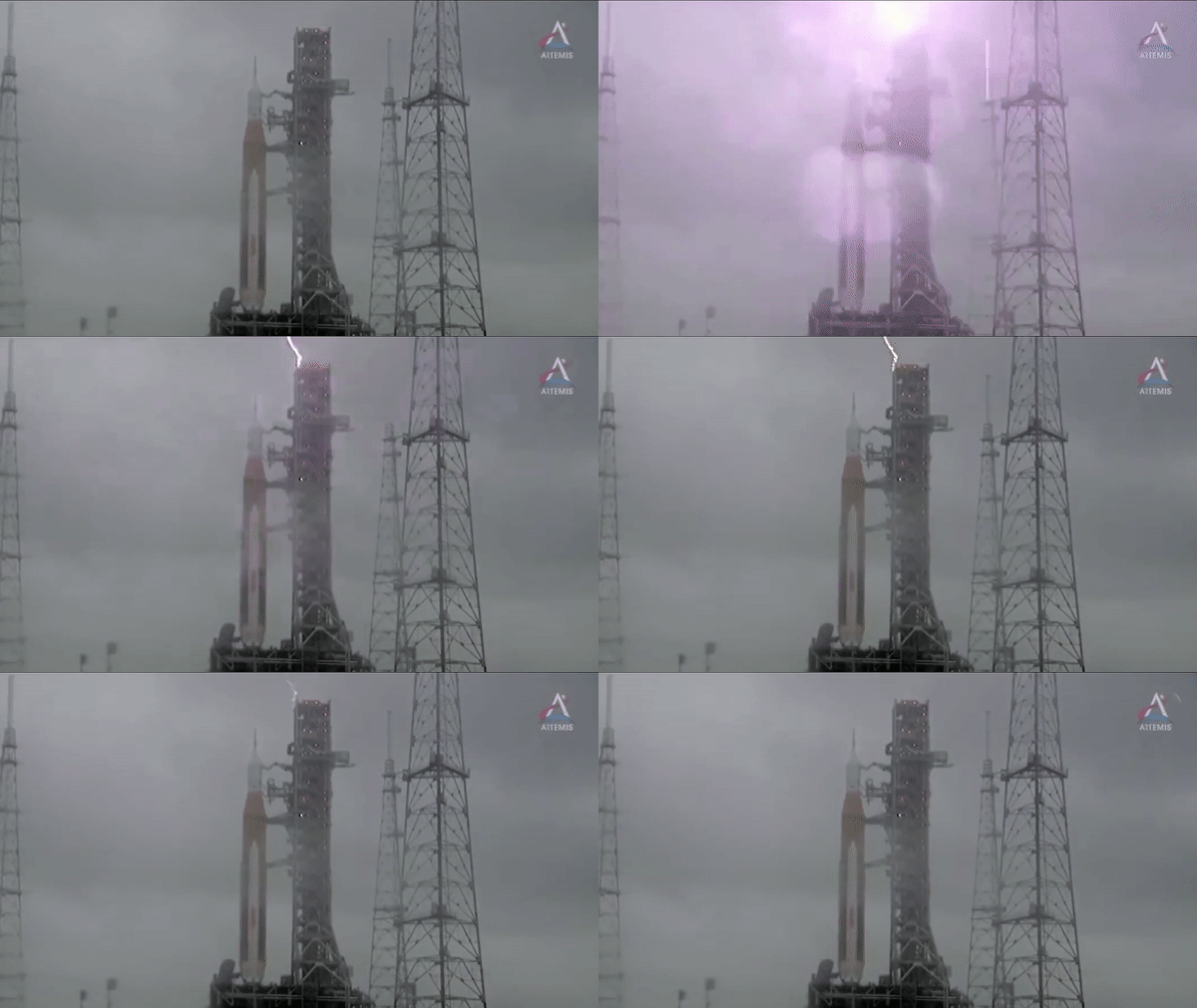 Lightning strikes Artemis I mission's 'Mega Moon rocket' launch pad during tests
The Artemis I mission's Mega Moon rocket was undergoing "wet" tests Saturday (April 2).
-
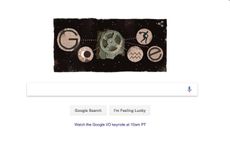 Antikythera Anniversary: Astronomical Computer Still Puzzles After 115 Years
Today's Google Doodle honors an intricate and mysterious astronomical computer found at the bottom of the Aegean Sea aboard a Roman cargo ship in 1902.
-
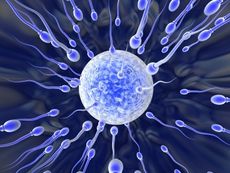 Why Women Choose Abortion
Researchers find many women are experiencing a life stressor when making their abortion decision.
-
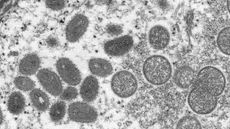 Monkeypox outbreaks tied to sex at 2 raves in Europe
The current outbreaks of the monkeypox virus in Europe and North America might have originated and spread through sex at two raves in Spain and Belgium.
-
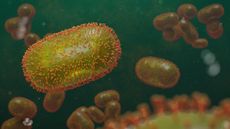 Monkeypox may have been spreading in UK for years
The monkeypox virus may have been spreading at low levels in the United Kingdom for years now, only becoming detectable in the last month, according to health officials.
-
 In photos: Cremated Buddha remains and Buddha statues
Archaeologists have discovered 260 Buddhist statues and a box holding the cremated remains of what appear to be the Buddha in China.
-
 Why is grass green?
Here's why grass is green and not blue or purple.